Choosing the right approach to images of paradise in heaven starts with clear context, practical filters, and realistic expectations.
Introduction to Images of
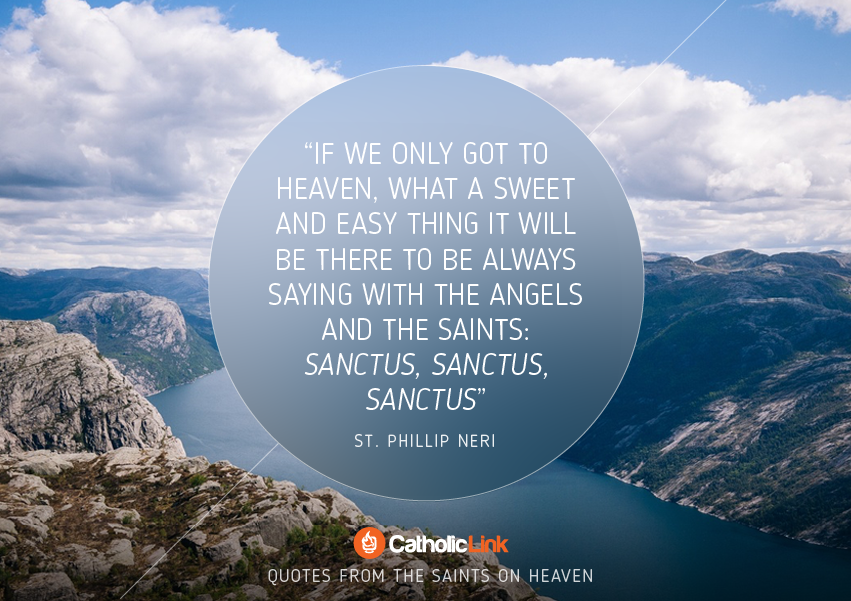
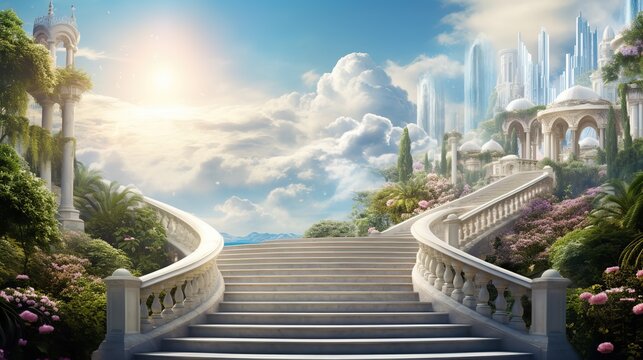
Paradise in Heaven The concept of paradise in heaven is a ubiquitous theme across various cultures and religions, often symbolizing a realm of eternal bliss, peace, and happiness. This idea has been depicted in numerous images, artwork, and descriptions throughout history, aiming to convey the beauty and serenity of this heavenly abode. From lush gardens to majestic architectural structures, these images not only reflect the creative imagination of artists but also the deep-seated human desire for a perfect afterlife.
Historical Depictions of Paradise
Historically, the depiction of paradise in heaven has varied significantly across different cultures and religions. In Islamic art, for instance, paradise is often illustrated as a lush garden with flowing rivers, filled with fruits and beautiful maidens. Similarly, in Christian art, heaven is depicted as a place of golden light, with saints and angels residing in harmony. These depictions not only showcase the diversity of human imagination but also highlight the common thread of seeking a utopian afterlife.
Influence of Religious Texts
Religious texts have played a significant role in shaping the concept of paradise in heaven. The Quran, for example, describes paradise as a place with "gardens of eternity" and "rivers flowing beneath." The Bible also describes heaven as a "new Jerusalem" with "streets of gold" and "gates of pearl." These descriptions have inspired countless artists and writers to create vivid images of paradise, further solidifying its presence in human imagination.
Cultural Significance of Paradise Imagery The imagery of paradise in heaven holds significant
cultural importance, as it often reflects the values, beliefs, and aspirations of a society. In many Eastern cultures, for instance, the concept of paradise is closely tied to the idea of karma and reincarnation, where the ultimate goal is to achieve a state of enlightenment and enter the heavenly realm. In Western cultures, the idea of heaven is often associated with the concept of salvation and the afterlife, where the righteous are rewarded with eternal bliss.
Artistic Representations of Paradise
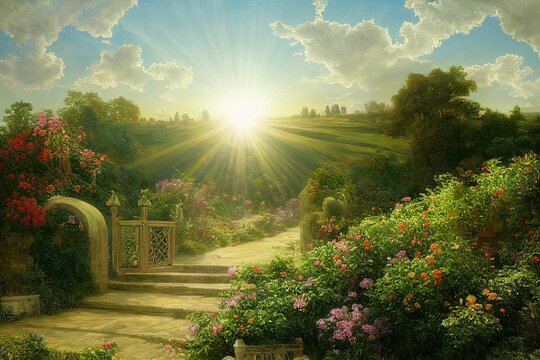
Artistic representations of paradise in heaven have been a staple of human creativity, with numerous paintings, sculptures, and architectural structures dedicated to this theme. From Michelangelo's frescoes in the Sistine Chapel to the intricate mosaics of Islamic mosques, these artworks not only showcase the beauty of paradise but also the skill and craftsmanship of human artists. Moreover, these representations have evolved over time, incorporating new themes, motifs, and styles, yet maintaining the essence of the heavenly abode.
Common Themes in Paradise Imagery
Despite the diversity of artistic representations, certain themes and motifs recur in images of paradise in heaven. These include the presence of lush gardens, flowing rivers, and majestic architectural structures, often symbolizing peace, harmony, and beauty. Additionally, the depiction of saints, angels, and other religious figures is common, highlighting the spiritual significance of paradise. These themes and motifs have become an integral part of human imagination, inspiring new generations of artists and writers to explore the concept of paradise.
Limitations and Controversies
While images of paradise in heaven have inspired countless people throughout history, they have also been subject to limitations and controversies. One of the primary limitations is the subjective nature of these depictions, which often reflect the cultural, religious, and personal biases of the artist. Additionally, the concept of paradise has been used to justify social hierarchies, with certain groups claiming superiority over others based on their perceived proximity to heaven. These controversies highlight the complex and multifaceted nature of paradise imagery, requiring a nuanced understanding of its cultural, historical, and artistic contexts.
Practical Examples and Realistic Use Cases The concept of paradise in heaven has numerous
practical applications and realistic use cases. For instance, the idea of a heavenly abode can provide comfort and solace to individuals facing hardship or adversity, offering a sense of hope and resilience. Additionally, the depiction of paradise can inspire artistic creativity, encouraging people to explore new themes, motifs, and styles. Moreover, the concept of paradise can foster a sense of community and shared values, bringing people together across cultural and religious boundaries.
Comparison of Different Cultural Depictions
A comparison of different cultural depictions of paradise in heaven reveals both similarities and differences. While the concept of a heavenly abode is universal, its representation varies significantly across cultures and religions. For instance, the Islamic concept of paradise is often depicted as a lush garden, while the Christian concept is depicted as a place of golden light. Similarly, the Hindu concept of heaven is depicted as a realm of multiple gods and goddesses, while the Buddhist concept is depicted as a state of enlightenment. This comparison highlights the diversity of human imagination and the complex nature of paradise imagery.
Verdict In conclusion, the concept of paradise in heaven is a complex and multifaceted theme, reflected in numerous images, artwork, and descriptions throughout history.

While its depiction varies across cultures and religions, the idea of a heavenly abode remains a universal human aspiration, inspiring artistic creativity, fostering community, and providing comfort and solace.
Tools and Resources for Exploring Paradise Imagery For those interested in exploring paradise imagery, numerous tools and resources are available. These include:
- Online databases of religious artwork and iconography
- Virtual tours of historical and cultural sites
- Artistic software and programs for creating digital artwork
- Books and publications on the history and cultural significance of paradise imagery
- Online forums and communities for discussing and sharing ideas on paradise and the afterlife
Conclusion
In conclusion, images of paradise in heaven offer a glimpse into the human imagination, reflecting our deep-seated desires for a perfect afterlife.
Through its depiction in artwork, literature, and religious texts, the concept of paradise has evolved over time, incorporating new themes, motifs, and styles. As we continue to explore and understand the cultural, historical, and artistic contexts of paradise imagery, we may uncover new insights into the human condition, inspiring creativity, fostering community, and providing comfort and solace.
FAQs
- What is the concept of paradise in heaven?
- The concept of paradise in heaven refers to a realm of eternal bliss, peace, and happiness, often depicted in images, artwork, and descriptions throughout history.
- How has the depiction of paradise varied across cultures and religions?
- The depiction of paradise has varied significantly across cultures and religions, reflecting the diversity of human imagination and the complex nature of paradise imagery.
- What are the common themes and motifs in paradise imagery?
- Common themes and motifs in paradise imagery include the presence of lush gardens, flowing rivers, and majestic architectural structures, often symbolizing peace, harmony, and beauty.
- What are the practical applications and realistic use cases of the concept of paradise?
- The concept of paradise has numerous practical applications and realistic use cases, including providing comfort and solace, inspiring artistic creativity, and fostering a sense of community and shared values.
- How can I explore paradise imagery and learn more about its cultural and historical contexts?
- Numerous tools and resources are available for exploring paradise imagery, including online databases, virtual tours, artistic software, books, and online forums and communities.
- What are the limitations and controversies surrounding paradise imagery?
- The concept of paradise has been subject to limitations and controversies, including its subjective nature, cultural and religious biases, and use to justify social hierarchies.
- How can I create my own artwork or writing inspired by the concept of paradise?
- To create your own artwork or writing inspired by the concept of paradise, consider exploring different themes, motifs, and styles, and drawing inspiration from various cultural and religious traditions.