Few films manage to embed themselves into public consciousness the way Michael has. It’s not just a title—it’s a cultural reference point. While the name “Michael” appears across decades of cinema, from character studies to biopics, the emotional weight and narrative depth associated with films titled or centered on “Michael” often reflect broader societal themes: identity, morality, resilience. Whether it’s a dramatization of real-life figures or a fictional journey, the Michael movie phenomenon reveals how a single name can become a vessel for deeper storytelling.
This isn’t just about one film. It’s about a pattern—how stories anchored in the name “Michael” consistently attract attention, spark discussion, and leave lasting impressions. From intense character arcs to socio-political commentary, these films share a common thread: the exploration of a man shaped by his choices, his environment, and his inner conflicts.
Why the Name “Michael” Resonates in Cinema
The name Michael carries symbolic weight. Derived from Hebrew, meaning “Who is like God?”, it implies duality—a being both powerful and questioning, divine yet human. In film, characters named Michael often embody this tension. They are leaders, rebels, sinners, saviors—sometimes all at once.
Consider Michael Corleone in The Godfather trilogy. His arc is one of tragic transformation: war hero to mafia don. His name doesn’t just identify him—it frames his internal battle between loyalty and morality. Similarly, Michael Keaton’s portrayal of Batman or Birdman isn’t accidental; the actor’s real name merges with his roles, blurring fiction and identity, adding meta-layers to the narrative.
But when a film is titled Michael, the focus narrows. The name becomes the theme. The story isn’t just about a man named Michael—it’s about what the name represents in that context: faith, fallibility, or fate.
The 1996 Michael: A Supernatural Take on Redemption
One of the most notable films titled Michael is the 1996 romantic fantasy directed by Nora Ephron, starring John Travolta as the flawed, chain-smoking Archangel Michael. Unlike traditional religious portrayals, this Michael is irreverent, humorous, and deeply human. He’s sent to Earth not to deliver divine judgment, but to help two journalists (played by Andie MacDowell and William Hurt) rediscover love, faith, and humility.
What makes this Michael movie stand out is its subversion of expectations. Instead of a glowing celestial being, Travolta’s Michael is a disheveled, beer-drinking angel with a penchant for mischief. Yet, beneath the comedy lies a serious undercurrent: the idea that redemption doesn’t come from perfection, but from connection.
Practical Example: In one pivotal scene, Michael takes the characters on a flight over Chicago—not on wings, but in a stolen airplane. The moment isn’t about spectacle; it’s about perspective. From above, personal grudges and professional ambitions shrink. The camera lingers on their faces—wonder, fear, awe. It’s a cinematic metaphor for clarity, one that sticks with viewers long after the credits roll.
The film balances satire with sincerity, poking fun at both religious tropes and media sensationalism. Its success lies in making the divine relatable—a lesson other faith-inspired films have since tried, and often failed, to replicate.
Michael (2025): Anticipation and Expectations
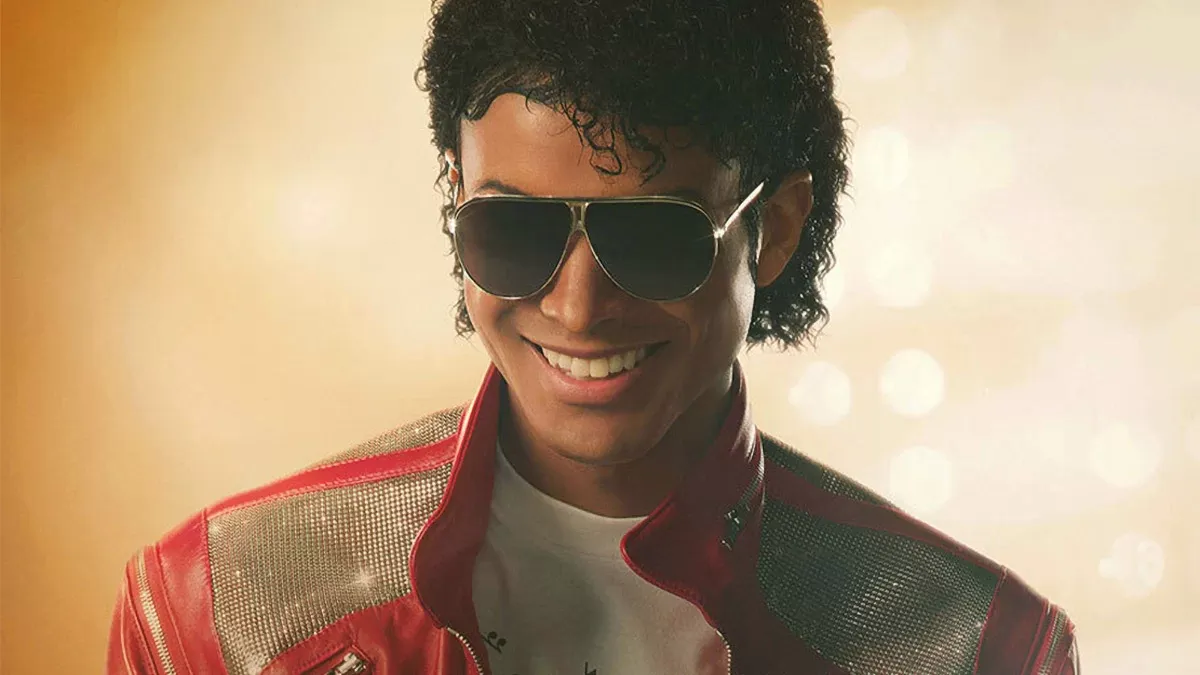
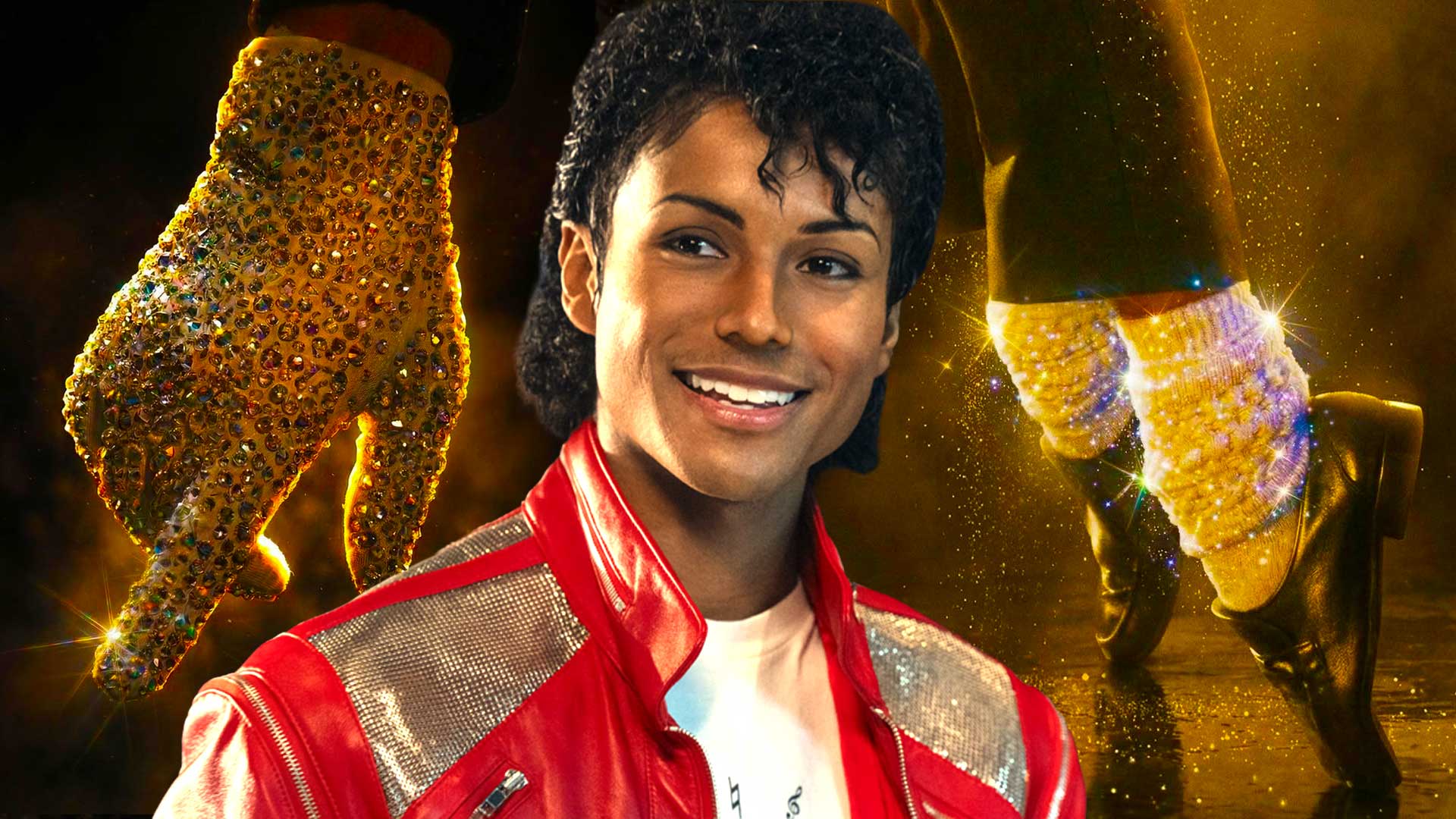
While details remain guarded, the upcoming Michael—a biopic about Michael Jackson—has generated significant buzz. Directed by Antoine Fuqua and starring Jaafar Jackson, the film promises an intimate look at the King of Pop’s life, focusing on his final years and the pressures of fame.
Audiences aren’t just expecting a performance—they’re expecting revelation. The challenge? Tackling a legacy mired in controversy without reducing it to scandal. Early trailers suggest a nuanced approach: less tabloid, more psychological portraiture. The film appears to interrogate not just who Michael Jackson was, but how celebrity reshapes identity.
Common Pitfall in Biopics: Many music biopics fall into the “greatest hits” trap—chronicling events without depth. Bohemian Rhapsody, while commercially successful, was criticized for glossing over Freddie Mercury’s struggles. The new Michael movie must avoid this by showing causality: how early fame led to isolation, how artistic genius coexisted with personal turmoil.
If done well, this film could redefine the genre—not as a tribute, but as a cautionary tale about the cost of greatness.
Real-Life Michaels: When Truth Is Stranger Than Fiction
Beyond fiction, several Michael movies draw from real figures, turning biography into drama:
- Michael Collins (1996) – Neil Jordan’s historical epic on the Irish revolutionary. Liam Neeson’s portrayal captures the complexity of a man fighting for independence while navigating political betrayal.
- Mike (2000) – A TV movie exploring the rise and fall of basketball star Michael Jordan. Less about sports, more about myth-making.
- The Last Days of Michael Jackson (2019) – A documentary-style special that examines the final decade of Jackson’s life, using archival footage and interviews.
These films share a challenge: balancing factual accuracy with narrative engagement. The best ones don’t idolize—they interrogate. They ask: What happens when a man becomes a symbol?
Michael as a Storytelling Archetype
The recurring presence of “Michael” in film suggests more than coincidence. It reflects an archetype—the flawed hero, the reluctant savior, the man caught between worlds.
Think of Michael Knight in Knight Rider, Michael Bluth in Arrested Development, or even Michael Scott in The Office. These characters, though fictional, resonate because they mirror real human contradictions: confidence masking insecurity, ambition clashing with empathy.
In cinema, this archetype often follows a three-act structure:
- The Fall – Michael starts at a high point (power, fame, love) and loses it.
- The Struggle – He confronts internal and external demons.
- The Reckoning – Not always redemption, but realization.
This pattern explains why audiences keep returning to Michael stories. They’re not just about one man—they’re about the human condition.
Why Some Michael Movies Fail
Not every film bearing the name lands. Take Michael Matthews (2016), a little-known thriller that confused audiences with a generic plot and underdeveloped protagonist. Its failure highlights a critical point: the name alone isn’t enough.
Key Limitations in Michael-Centered Films:
- Overreliance on name recognition without strong character development.
- Lack of narrative stakes—if Michael’s journey doesn’t matter, why should we care?
- Tonal inconsistency—mixing drama, comedy, and fantasy without cohesion, as seen in some lesser-known indie titles.
A strong Michael movie must justify its focus. The character’s name should be thematically relevant, not just convenient.
Cultural Impact: More Than Just a Character
The influence of Michael movies extends beyond box office numbers. They shape how we think about morality, fame, and redemption.
- Churches have used Michael (1996) in discussion groups about grace and forgiveness.
- Film schools analyze its use of visual metaphor—like the recurring image of feathers, symbolizing both divinity and fragility.
- Mental health advocates cite Michael Jackson’s portrayal in documentaries to discuss the psychological toll of early stardom.
These films become entry points for larger conversations. They’re not just entertainment—they’re cultural artifacts.
What Makes a Michael Movie Worth Watching
At its best, a Michael movie does three things:
- Humanizes the larger-than-life – Whether angel or icon, it grounds the character in relatable emotions.
- Challenges assumptions – It avoids clichés, offering fresh angles on familiar figures.
- Leaves a lingering question – Not “What happened?” but “What does it mean?”
When a film achieves this, it transcends its title. It becomes more than a story about Michael—it becomes a story about us.
The Legacy Lives On
The enduring power of the Michael movie lies in its ability to adapt. Whether exploring faith, fame, or failure, these films use a simple name to unpack complex truths. The upcoming Jackson biopic may dominate headlines, but the conversation started decades ago—and it’s far from over.
If you’re drawn to character-driven stories with moral depth, seek out Michael films not for their titles, but for their courage to ask hard questions. Watch them critically. Question their choices. Then decide: what does “Michael” mean to you?
Frequently Asked Questions
What is the 1996 movie Michael about? It follows a rebellious Archangel Michael, played by John Travolta, sent to Earth to help two journalists rediscover love and faith, blending comedy, romance, and spiritual themes.
Is the new Michael Jackson movie a documentary? No, it’s a biographical drama directed by Antoine Fuqua, focusing on Jackson’s life and legacy through a narrative lens.
Who plays Michael Jackson in the upcoming film? Jaafar Jackson, Michael Jackson’s nephew, stars in the lead role, bringing a familial connection to the portrayal.
Are there other famous movies about people named Michael? Yes, including Michael Collins (about the Irish revolutionary), Mike (on Michael Jordan), and various documentaries about Michael Jackson.
Why are so many important characters named Michael in films? The name carries cultural and religious weight, often symbolizing strength, duality, or moral struggle, making it a compelling choice for complex characters.
Was the 1996 Michael movie controversial? Some religious groups criticized its portrayal of an angel as flawed and humorous, but others praised its accessible take on faith and redemption.
Does the name “Michael” have a symbolic meaning in storytelling? Yes, it often represents the “warrior” or “protector” archetype, but modern films use it to explore vulnerability, contradiction, and transformation.
FAQ
What should you look for in Michael Movie: Decoding the Cultural Impact and Legacy? Focus on relevance, practical value, and how well the solution matches real user intent.
Is Michael Movie: Decoding the Cultural Impact and Legacy suitable for beginners? That depends on the workflow, but a clear step-by-step approach usually makes it easier to start.
How do you compare options around Michael Movie: Decoding the Cultural Impact and Legacy? Compare features, trust signals, limitations, pricing, and ease of implementation.
What mistakes should you avoid? Avoid generic choices, weak validation, and decisions based only on marketing claims.
What is the next best step? Shortlist the most relevant options, validate them quickly, and refine from real-world results.